When people want to lose weight or improve their health, they often think of “going on a diet.” But diets usually give short-term results. A lifestyle change, on the other hand, builds long-lasting health and freedom. So what’s the difference, and which one works better? Let’s break it down.
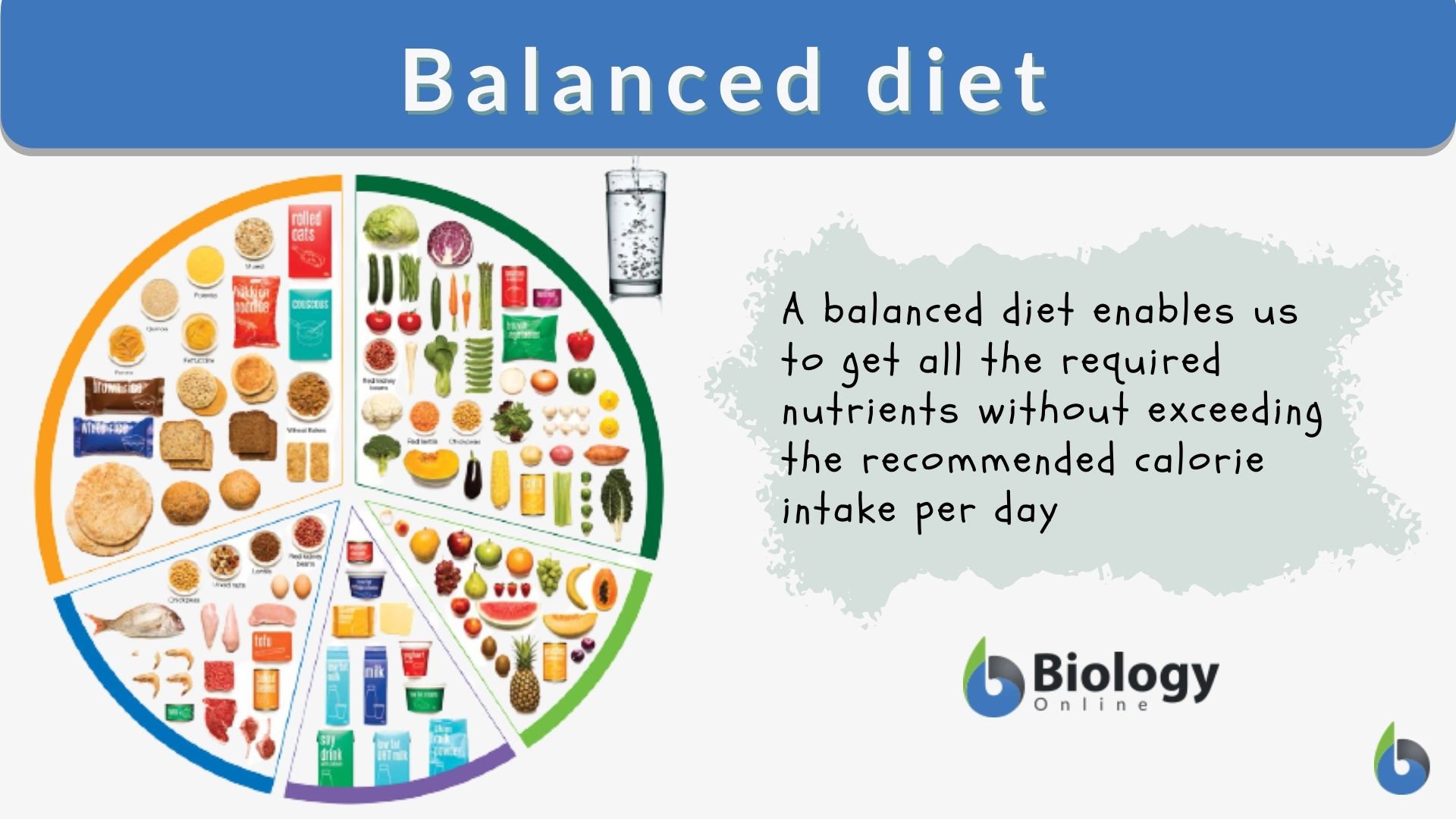
What Is Dieting?
Dieting usually means:
- Restricting certain foods
- Eating very few calories
- Following strict rules
- Quick weight loss goals
Dieting may work for a few weeks, but it often leads to:
- Cravings
- Lack of energy
- Weight gain after quitting
- Stress around food
Diets give temporary results.
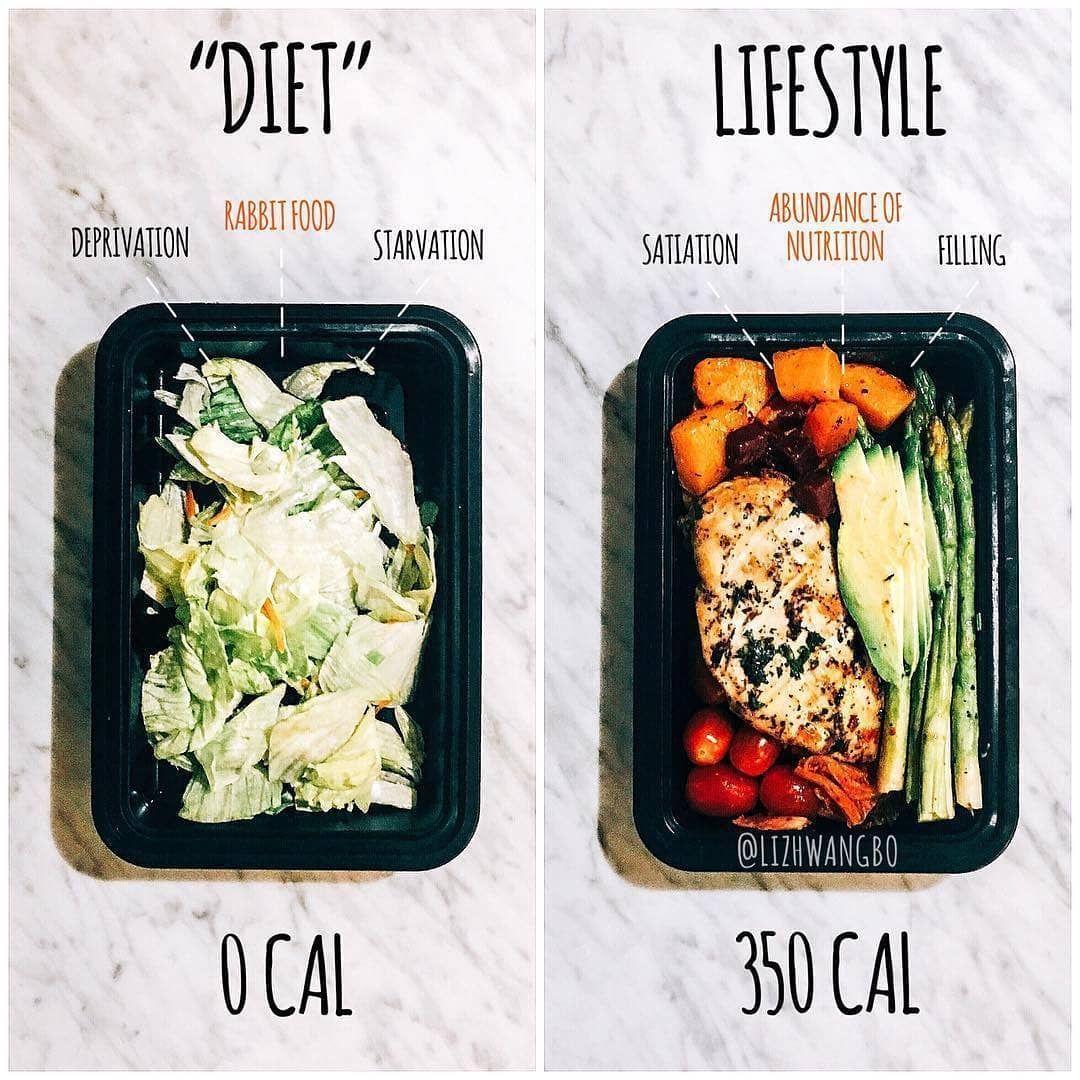
What Is a Lifestyle Change?
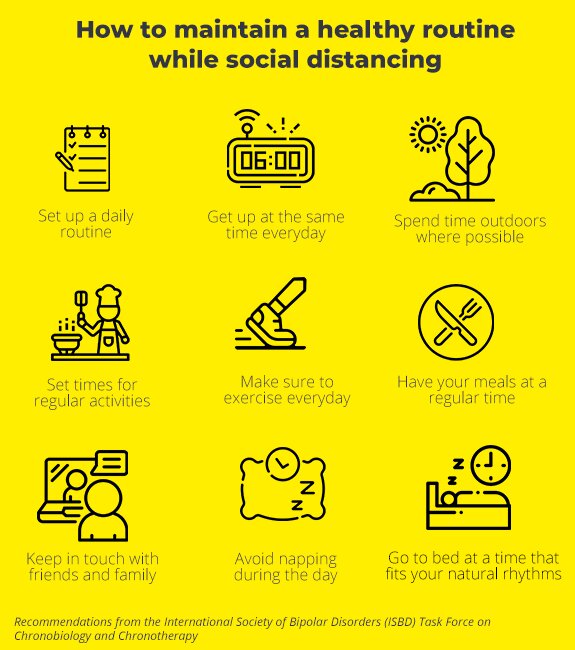
A lifestyle change focuses on healthy habits you can follow forever.
It includes:
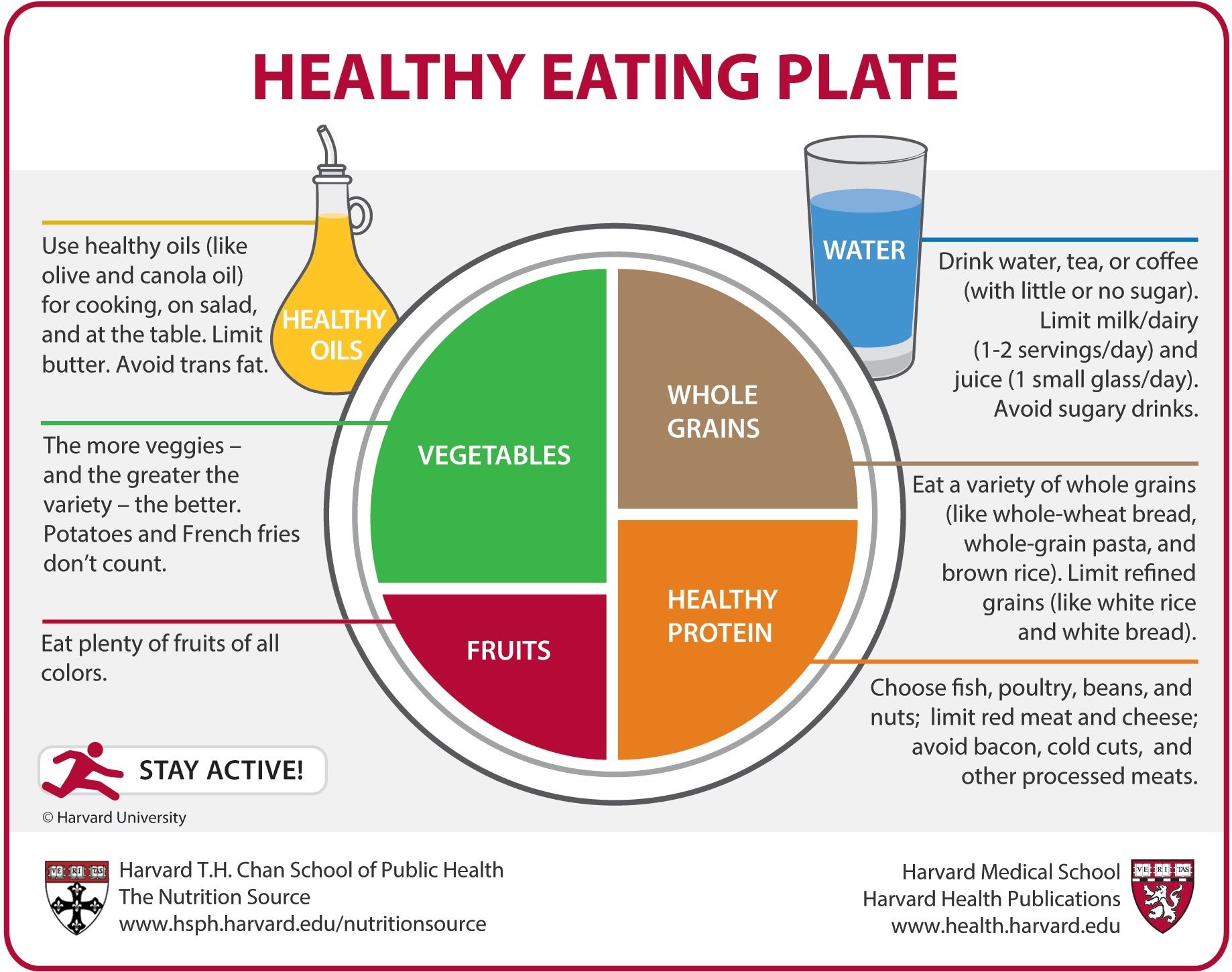
- Balanced meals
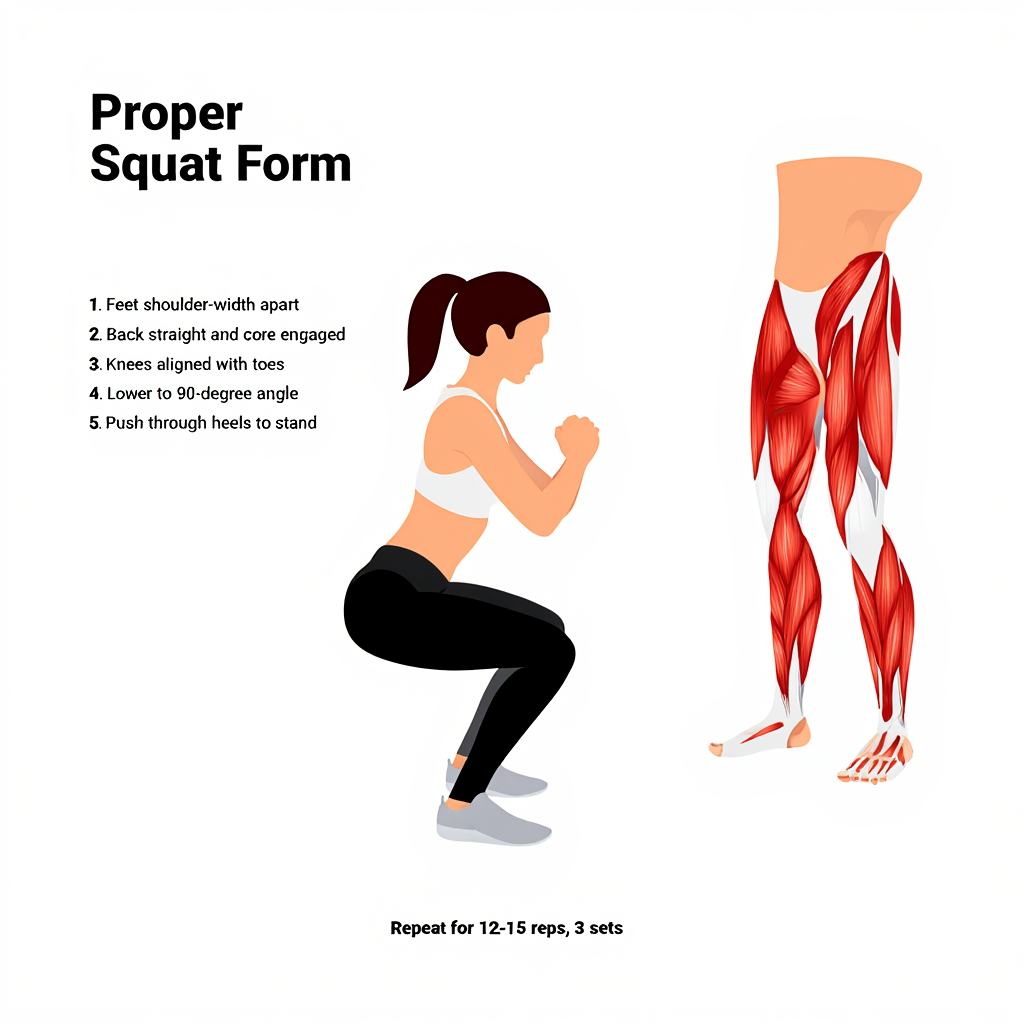
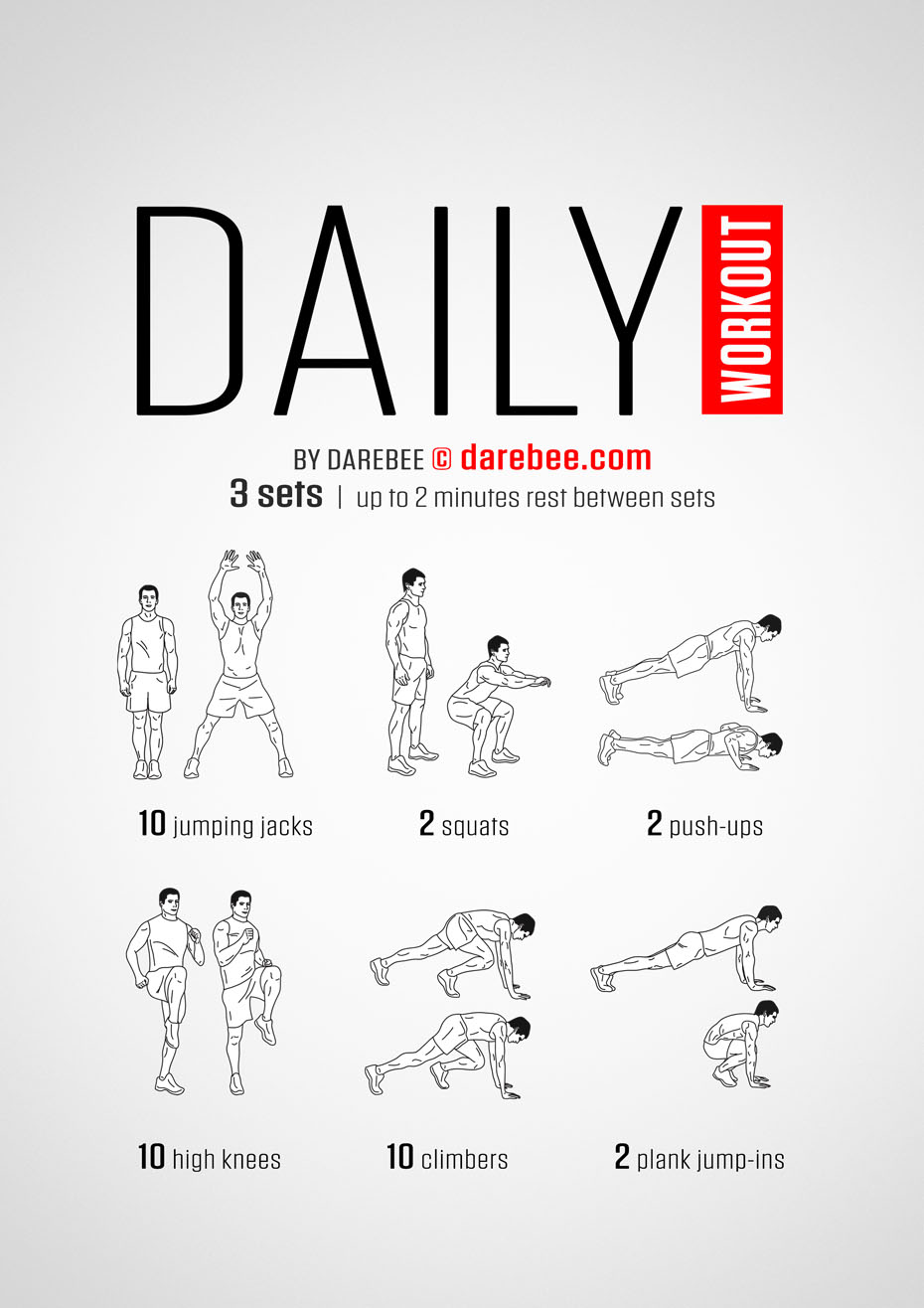
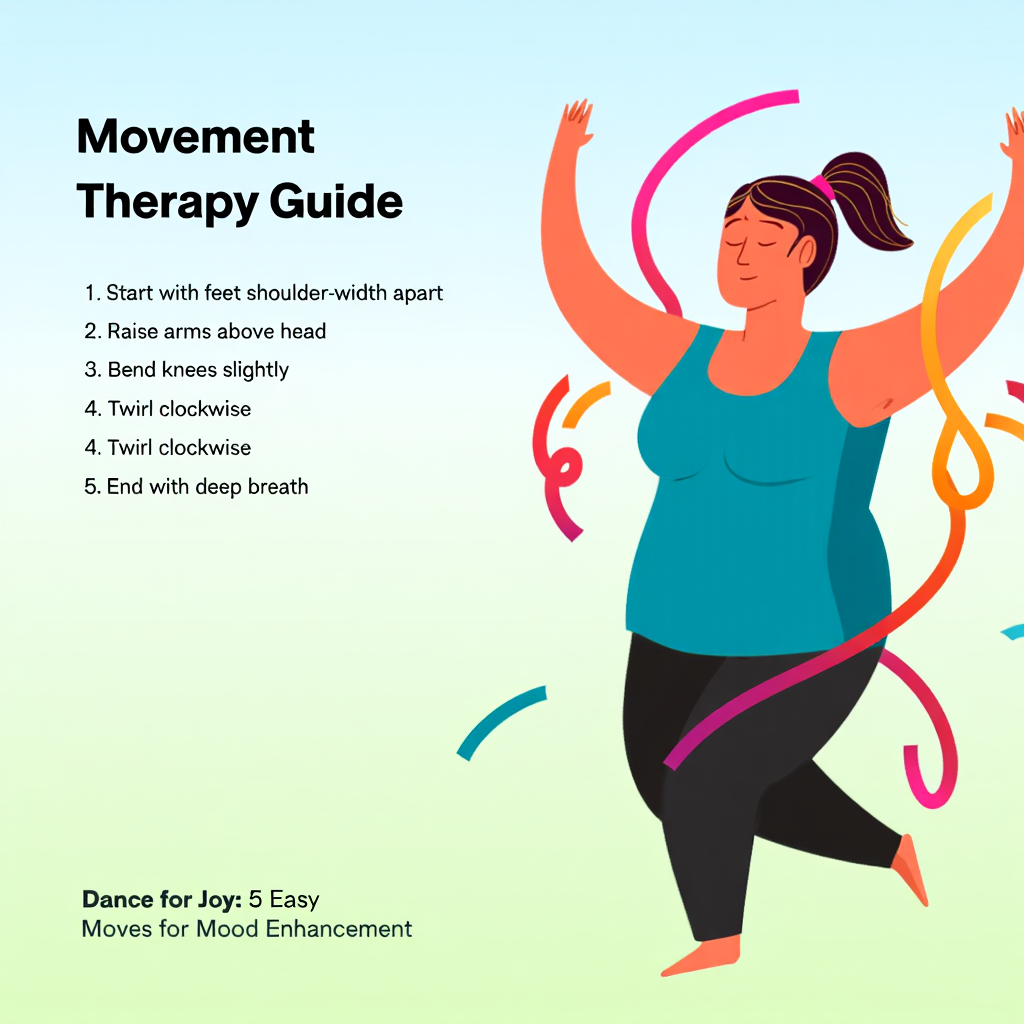
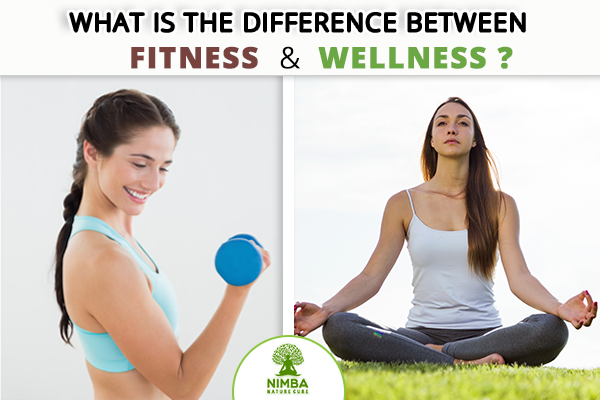
- Regular movement
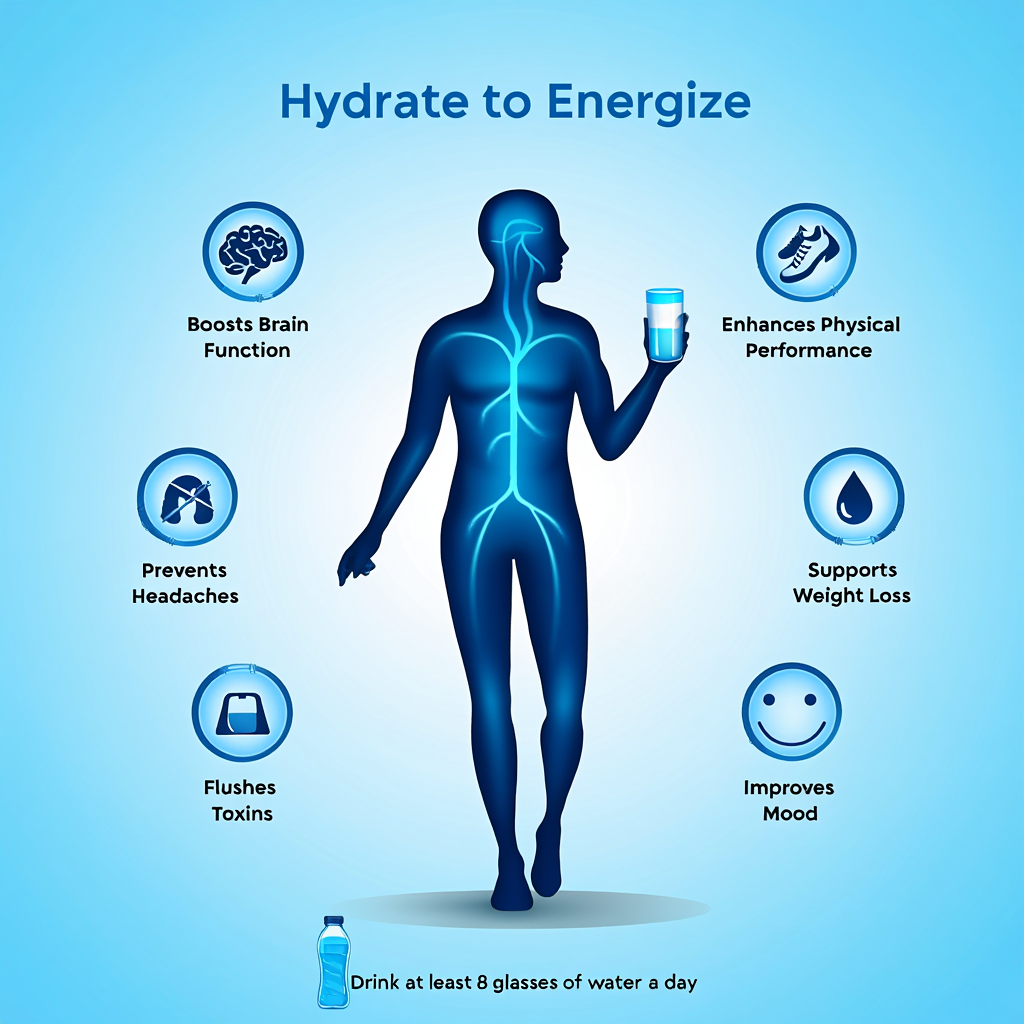
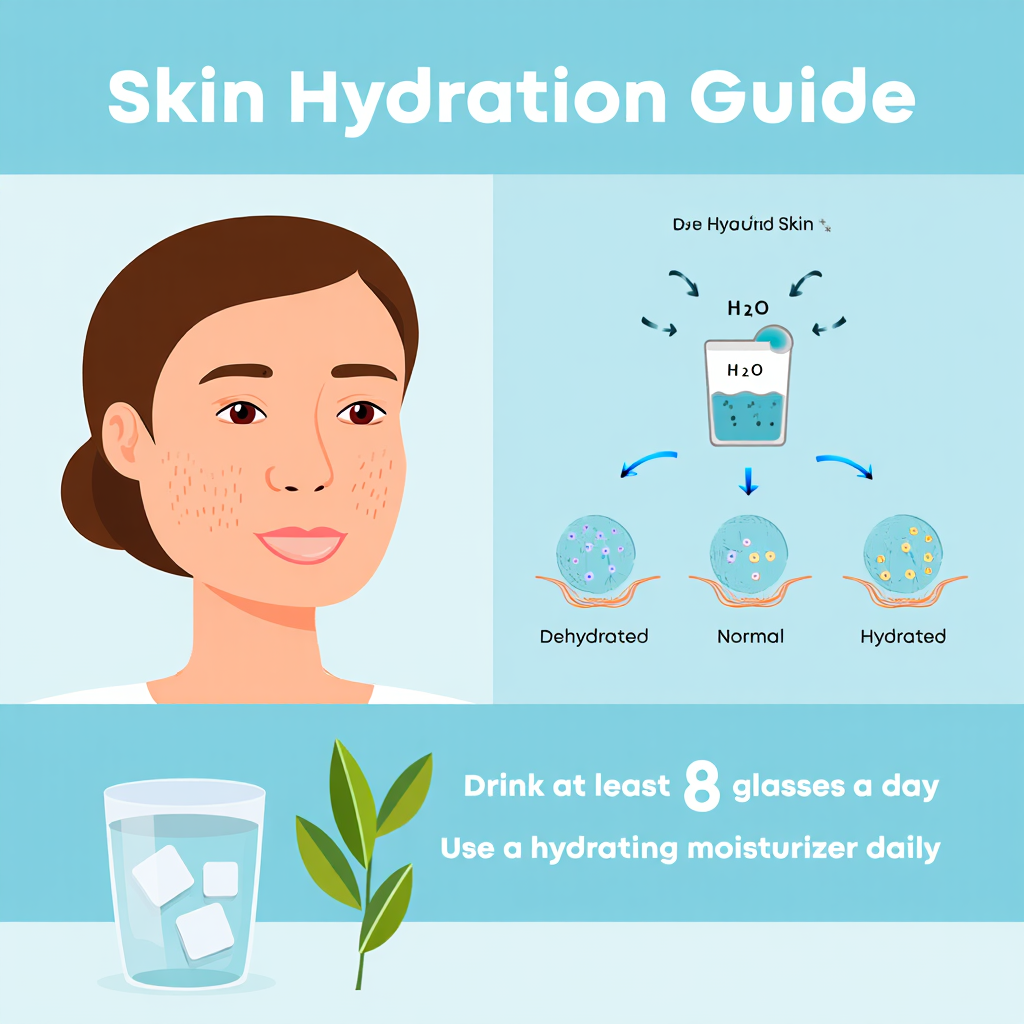
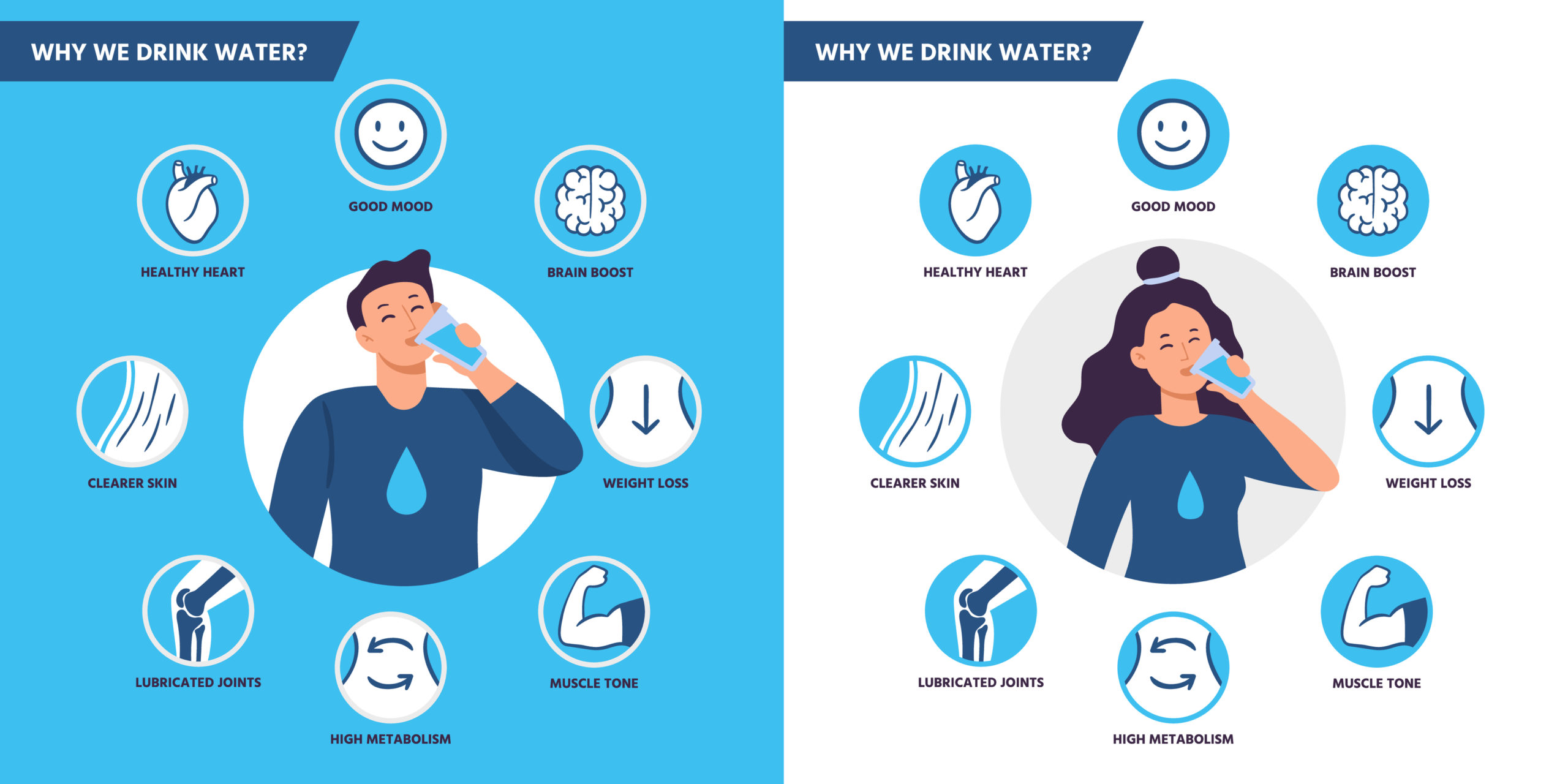
- Drinking enough water
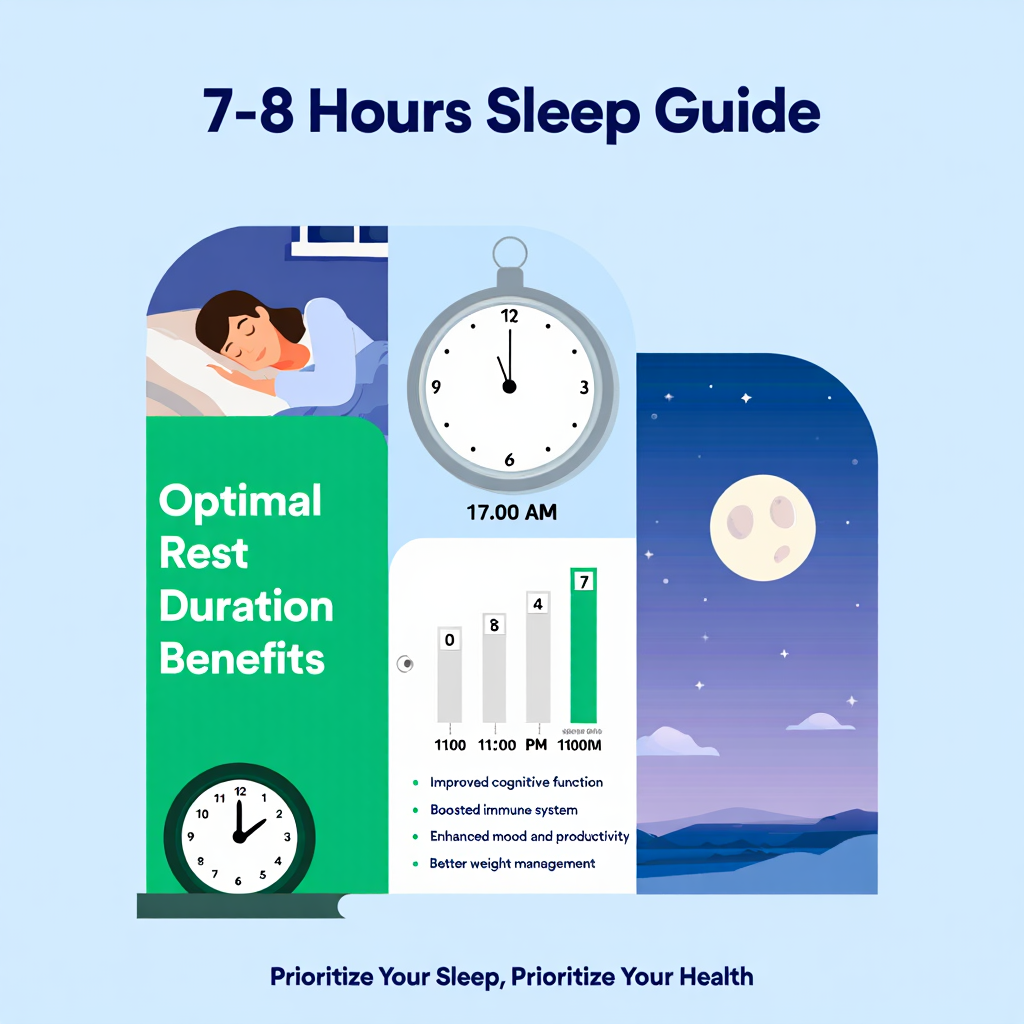
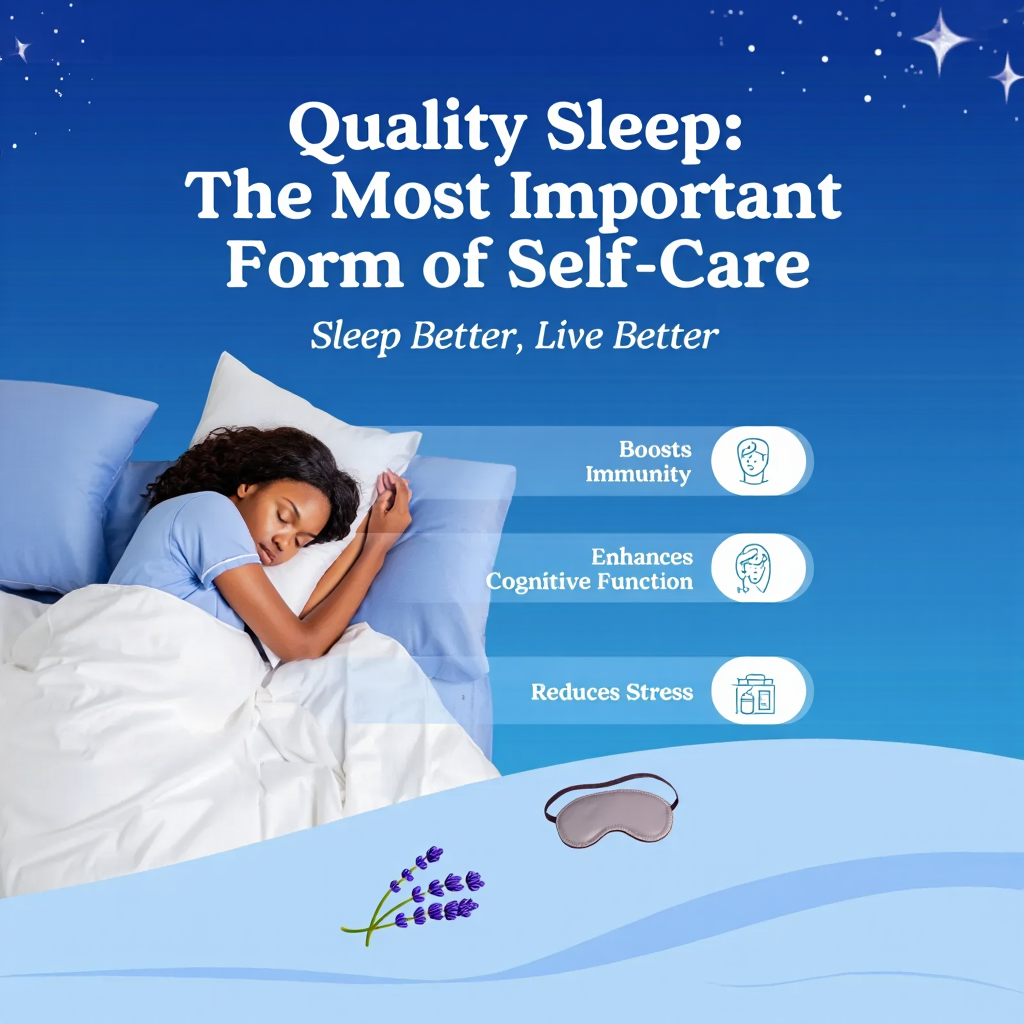
- Good sleep
- Stress management
- Better food choices
These habits are flexible, realistic, and enjoyable.

Dieting vs Lifestyle Change: The Real Difference
1. Short-Term vs Long-Term
- Diet: Quick results, but temporary
- Lifestyle Change: Slow results, but permanent
2. Restriction vs Balance
- Diet: Avoids foods
- Lifestyle Change: Allows all foods in moderation
3. Stress vs Freedom
- Diet: Constant rules and guilt
- Lifestyle Change: Flexible and enjoyable
4. Weight Loss vs Overall Health
- Diet: Focuses only on weight
- Lifestyle Change: Improves skin, energy, mood, digestion, and sleep
Which One Is Better?
A lifestyle change is far better than dieting.
It helps you:
- Maintain weight naturally
- Feel energetic
- Build healthy habits
- Stay consistent
- Enjoy food without guilt

Final Thoughts
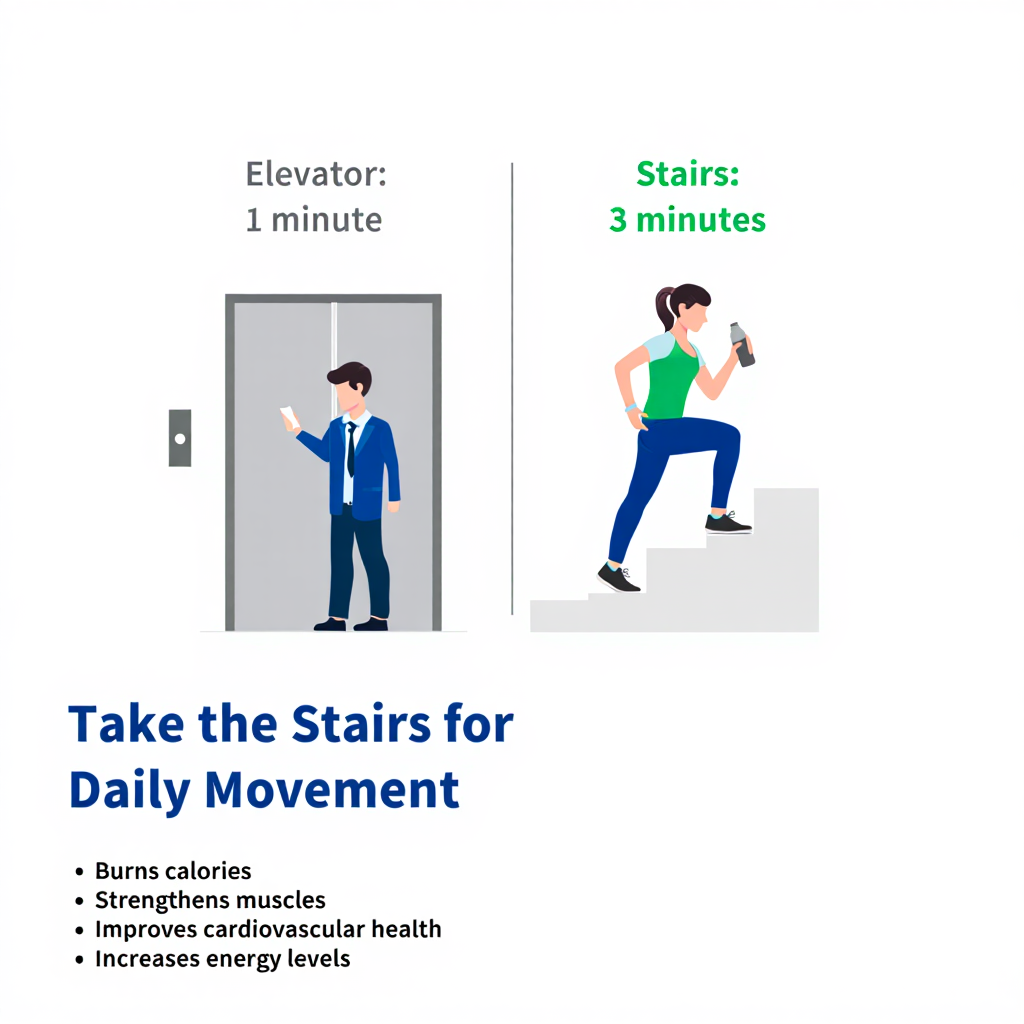
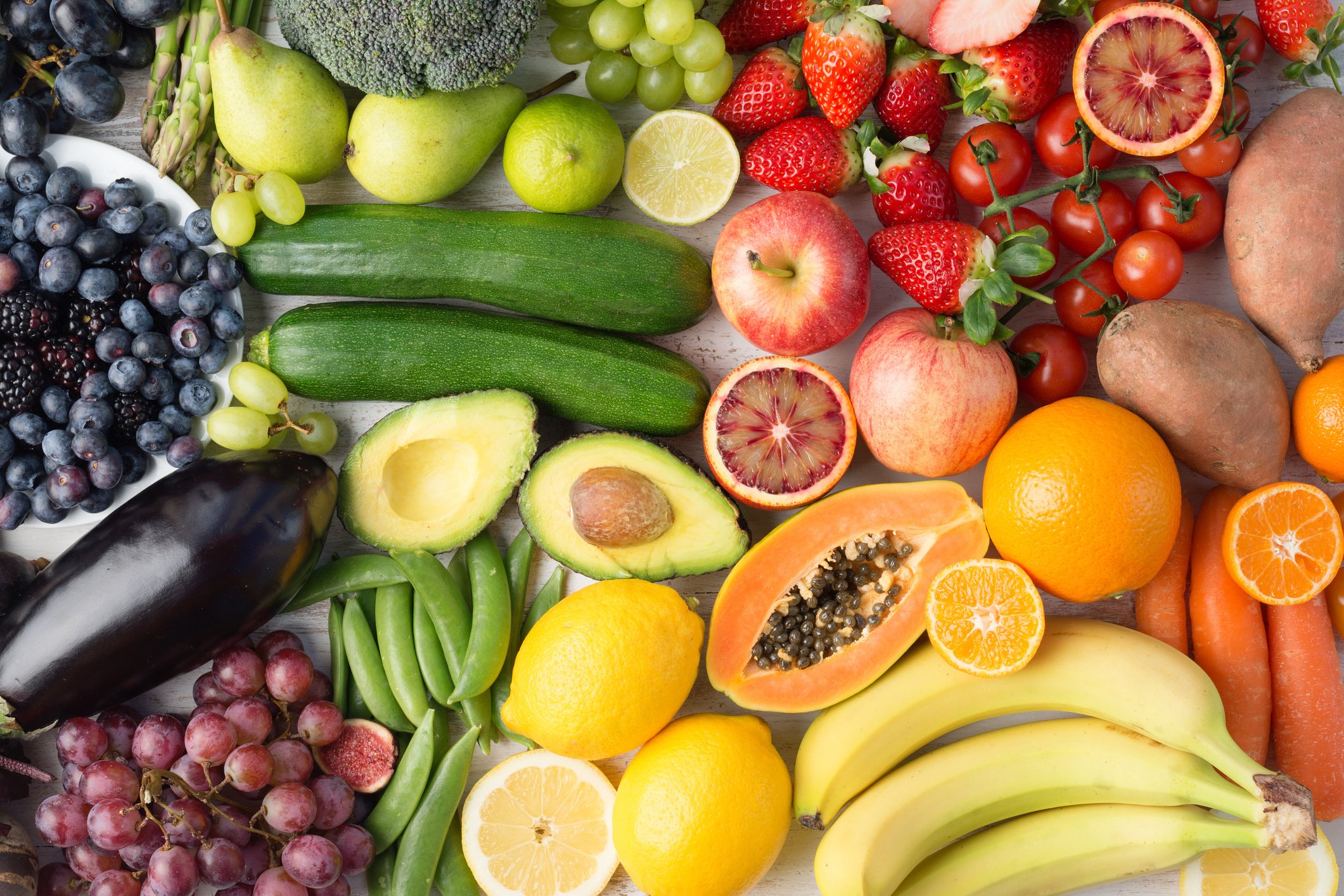
Dieting may seem easy, but it rarely lasts. A lifestyle change takes time but gives real, long-lasting health benefits. Start small—drink more water, add fruits, walk daily—and you’ll see big changes over time.






 1. Start Your Morning Calmly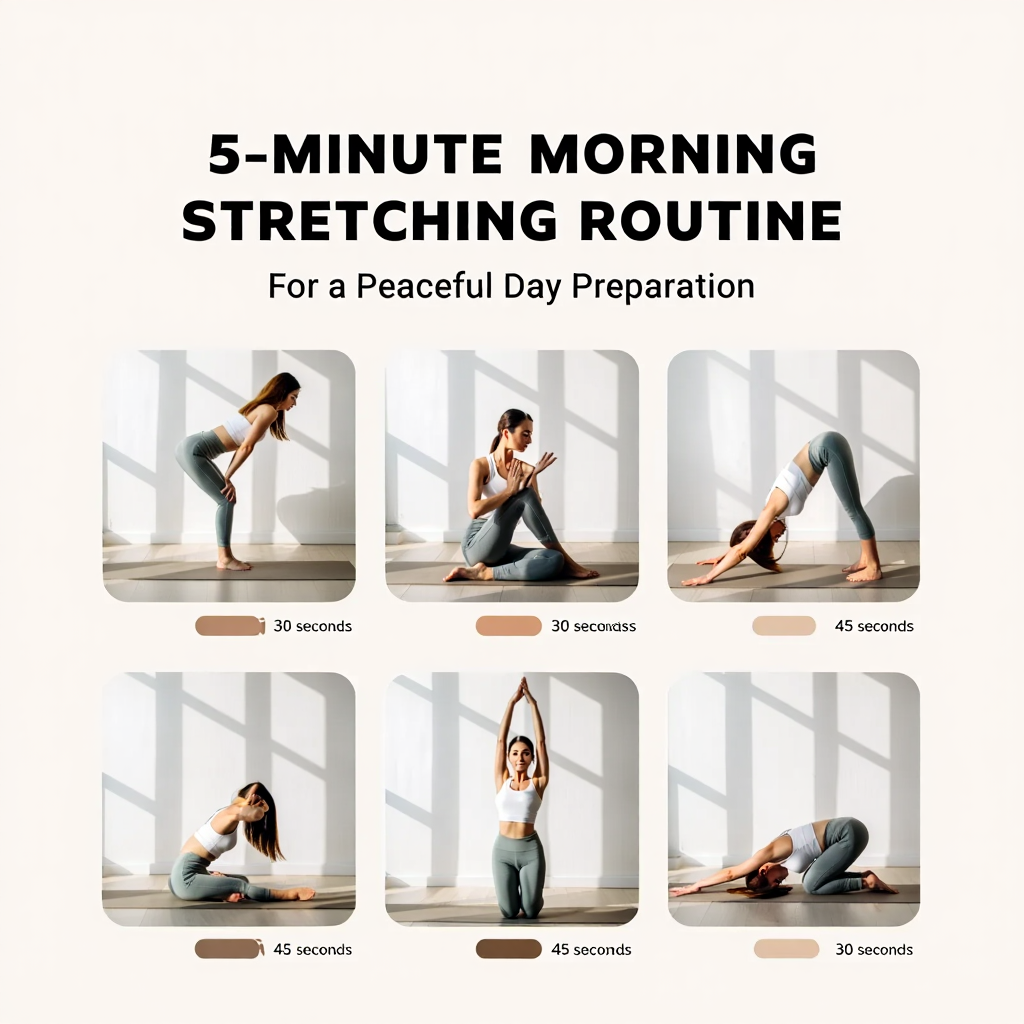
















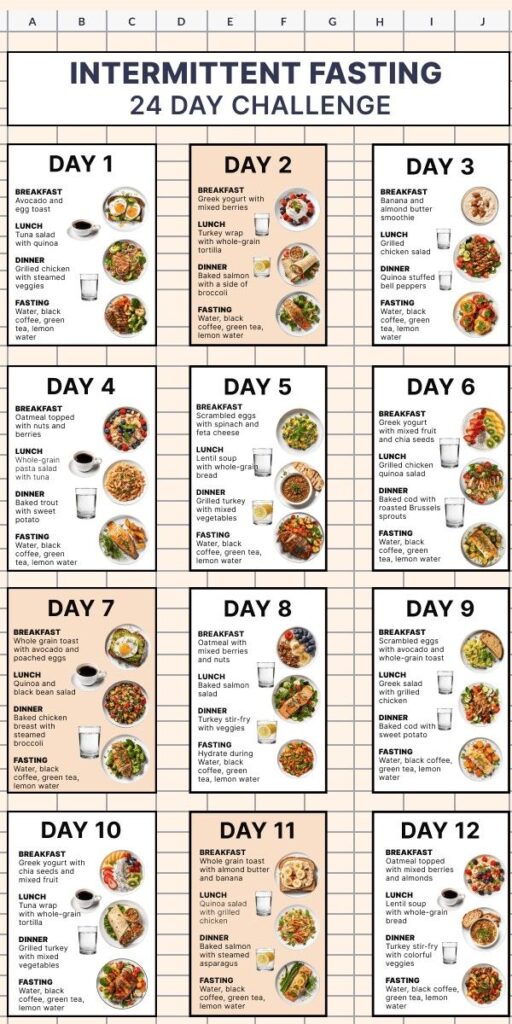
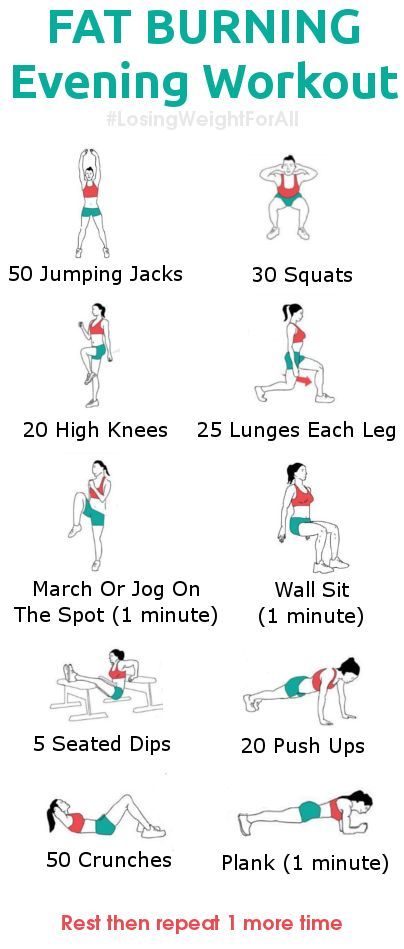
 Why an Indian Vegetarian Diet Works for Weight Loss
 Keep you full longer, reducing overeating
 Support muscle maintenance while burning fat
 Promote better digestion and metabolism
 Provide essential vitamins and minerals for overall health
 Daily Meal Structure
 Popular Indian Weight Loss Recipes
 Tips for Successful Weight Loss
 Benefits of a Vegetarian Weight Loss Diet
 Promotes sustainable weight loss without starvation
 Improves digestion and metabolism
 Boosts energy, immunity, and mental clarity
 Enhances skin and hair health
 Preserves muscle mass while reducing fat